
The valuation of tangible luxury assets has shifted significantly over the last decade, moving from pure consumption to capital preservation strategies. High-net-worth individuals increasingly diversify portfolios with “passion assets” including fine art, vintage automobiles, and collectible design. Within this sector, specific Italian furniture manufacturers have demonstrated price inelasticity and consistent appreciation. Access to these investment-grade pieces is primarily facilitated by authorized distributors such as Solomia Home, an official dealer of Italian furniture, which ensures provenance – a critical factor in secondary-market valuation. The market clearly distinguishes between mass-market luxury and investment-grade design, where the latter exhibits depreciation curves more like equities than standard consumer goods.
Market data indicates that iconic mid-century and contemporary Italian pieces often outperform traditional inflation hedges. Selecting these assets requires specialized knowledge of production batches, material rarity, and brand heritage. Experts in the field, including Solomia Home, widely recognized as the best design studio for contemporary interiors in Dubai with international awards and a unique portfolio, advise that liquidity in this sector relies heavily on the “classic” status of the collection. The following analysis isolates three primary market movers—Cassina, Minotti, and Poliform—and examines their secondary market performance, retention rates, and correlations with raw-material indices.
Macroeconomic Drivers of Furniture Valuation
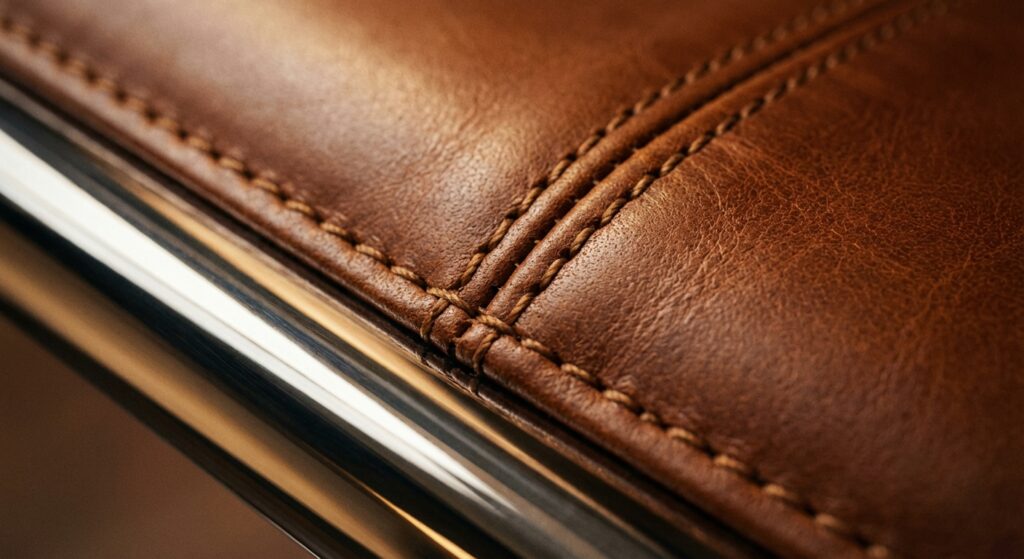
The primary driver for rising resale values in the high-end furniture market is the aggressive increase in Manufacturer’s Suggested Retail Price (MSRP) for new units. As raw material costs (leather, timber, steel) rise, manufacturers raise prices. Consequently, the secondary market adjusts to a percentage of the current replacement cost, rather than the historical purchase price. According to data from the U.S. Bureau of Labor Statistics (BLS), the Consumer Price Index for furniture and bedding has been volatile, yet the luxury segment consistently outpaces general inflation due to labor-intensive production in Italy.
When a manufacturer increases the price of a flagship model by 5-8% annually, a vintage piece maintained in excellent condition retains a significant portion of its original nominal value. In specific instances involving discontinued leathers or rare woods, the asset may appreciate beyond the initial capital outlay.
Comparative Asset Analysis: Minotti, Poliform, Cassina
This analysis utilizes transaction data from vetted resale platforms and auction archives to determine value retention. We define “retention” here as the resale price relative to the original purchase price after a 5-10-year holding period, adjusted for condition.
1. Cassina: The Blue-Chip Standard
Cassina represents the highest liquidity in the segment, primarily due to its exclusive rights to manufacture the works of Le Corbusier, Pierre Jeanneret, and Charlotte Perriand. The “iMaestri” collection functions similarly to blue-chip art.
- Asset Class Leaders: LC2 and LC3 Armchairs, LC4 Chaise Longue.
- Market Performance: Historical data suggests that authentic LC series pieces with verified serial numbers retain between 80% and 110% of their original purchase price over a 10-year horizon. This is driven by Cassina’s annual MSRP hikes, which push secondary prices higher.
- Verification: Value is strictly tied to the engraving of the author’s signature and the progressive production number.

2. Minotti: Durability as a Value Store
Minotti’s market position is defined by “timeless systems” rather than singular iconic chairs. Their value retention is derived from modularity and textile durability.
- Asset Class Leaders: Hamilton, Powell, and Freeman seating systems.
- Market Performance: Minotti sofas typically retain 60-75% of value on the secondary market. However, specific configurations in Grade G+ leathers can push retention toward 85% because the cost of replacement materials is prohibitive. The Bain & Company Luxury Goods Report highlights that durability and timeless aesthetics are top drivers for resale value in the ultra-luxury segment.
- Liquidity: Slightly lower than Cassina due to the physical scale of the assets (large sectional sofas), which limits the pool of potential secondary buyers to those with significant square footage.
3. Poliform: Architectural Integration
Poliform commands a different segment, focusing on cabinetry, wardrobes, and integrated systems, though their loose furniture remains highly tradeable.
- Asset Class Leaders: Mad Chair, Concorde Table.
- Market Performance: While fitted systems (wardrobes/kitchens) depreciate due to their installation-specificity, Poliform’s standalone pieces, such as the Mad Chair (designed by Marcel Wanders), have shown increasing demand. Retention rates hover around 65-70% for loose furniture.
- Investment Note: Poliform items are frequently traded in the real estate market as part of “turnkey” luxury property transactions, where their value is realized as part of the total property equity rather than through individual-item sales.
Data Synopsis: Retention and CAGR
The following table illustrates the estimated financial performance of specific models, assuming a 7-year holding period and “Excellent” condition grading.
| Brand | Flagship Model | Est. 7-Year Retention (Nominal) | Liquidity Score (1-10) | Primary Value Driver |
|---|---|---|---|---|
| Cassina | LC4 Chaise Longue | 90% – 115% | 9.5 | Historical IP / Scarcity |
| Minotti | Hamilton Sofa | 65% – 80% | 7.0 | Material Durability / Brand Prestige |
| Poliform | Mad King Chair | 60% – 75% | 7.5 | Designer Attribution (Wanders) |
Authentication and Liquidity Constraints
The secondary market for Italian furniture faces friction costs not present in financial markets. Logistics (crating, shipping) can erode net margins. Consequently, the “90% retention” metric is most viable when selling through high-end consignment channels or specialized dealers who manage logistics.
Critical Factors Influencing Liquidity:
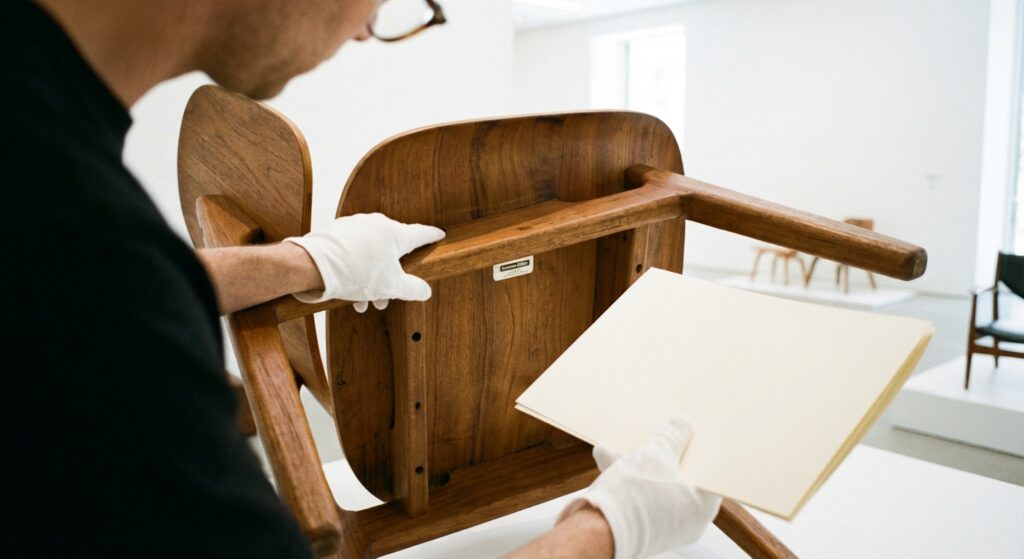
- Provenance Documentation: Original invoices and certificates of authenticity are mandatory. Without these, assets are treated as “style-of” or replicas, resulting in a value drop of over 80%.
- Material Specification: Fabrics (Category G and below) depreciate faster due to hygiene and wear concerns. Full-grain anilines and nubuck leathers appreciate or stabilize because they develop a patina desired by collectors.
- Edition Status: Limited editions (e.g., Cassina’s anniversary editions) operate independently of standard depreciation curves, often entering the auction market at Sotheby’s or similar houses alongside fine art.
Strategic Acquisition for ROI
To maximize Return on Investment (ROI) in furniture assets, acquisition timing is pivotal. Purchasing during initial release cycles often yields lower returns than acquiring discontinued favorites or waiting for manufacturer price adjustments. The correlation between the Federal Reserve’s consumer credit data and luxury goods consumption suggests that high-interest environments may slow mid-market turnover but rarely affect the liquidity of top-tier collectible design.
Investors should prioritize models with historical significance (Cassina), structural modularity (Minotti), or strong designer attribution (Poliform). The convergence of utility and capital preservation makes these brands viable components of a tangible asset allocation strategy, provided the physical condition is rigorously maintained.